











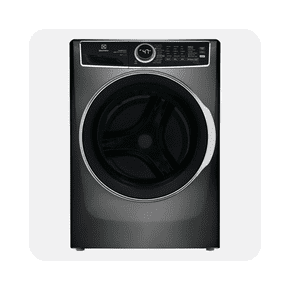
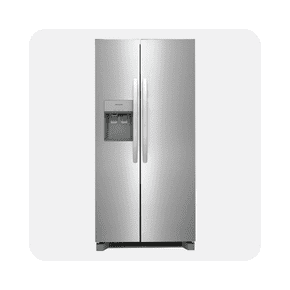
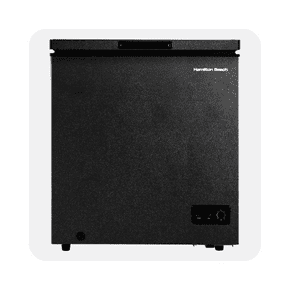


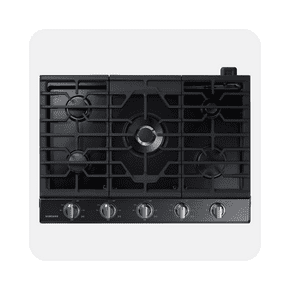














Home Appliances: Kitchen & Laundry | Walmart
Shop by category
More to explore
Shop by room









FAQ
About Home Appliances: Kitchen & Laundry | Walmart - Walmart.com
You can compare home appliances for kitchen and laundry spaces in one place when you need fit, finish, and service details fast. You can sort major categories like refrigerators, washers and dryers, ranges and ovens, dishwashers, and microwaves with practical guidance.
How to choose home appliances by type
You should start with appliance type because each room has different space limits, hookups, and daily routines. You can narrow your search faster when you compare refrigeration, cooking, cleaning, and laundry needs first.
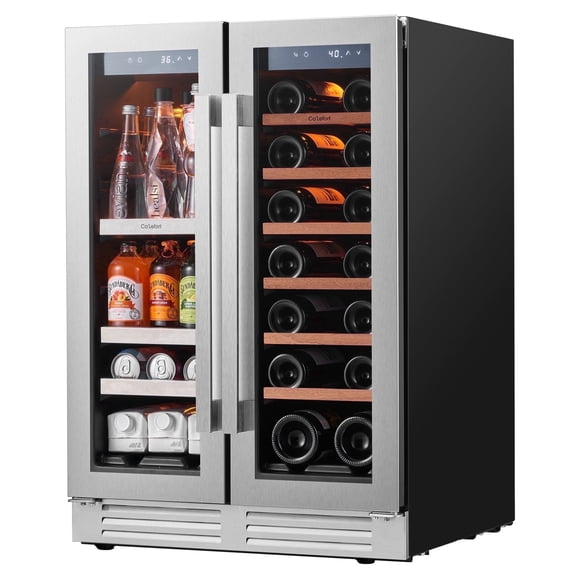
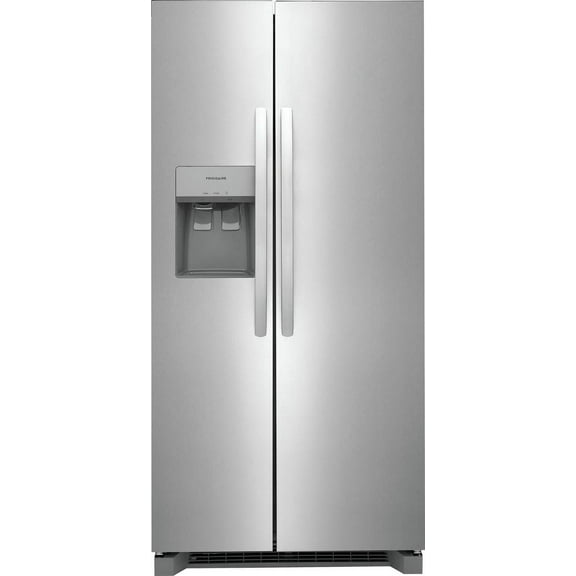
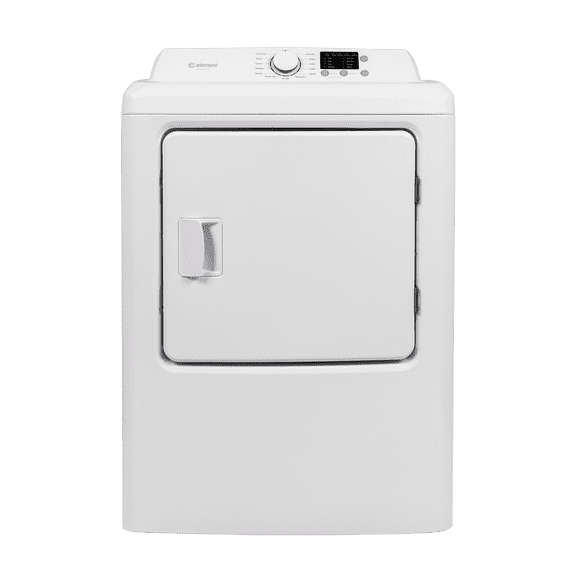
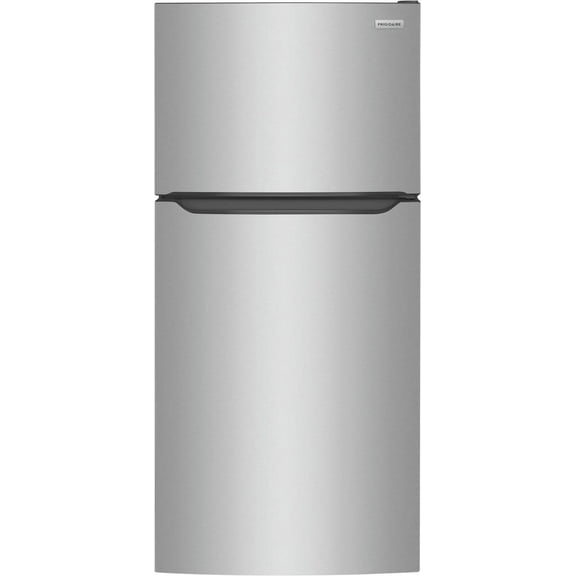
For food storage, you may compare refrigerator layouts, capacity, and door swing before you measure alcoves and cabinets. For laundry, you can check washer and dryer pairings, venting, and stackable designs that fit compact rooms.
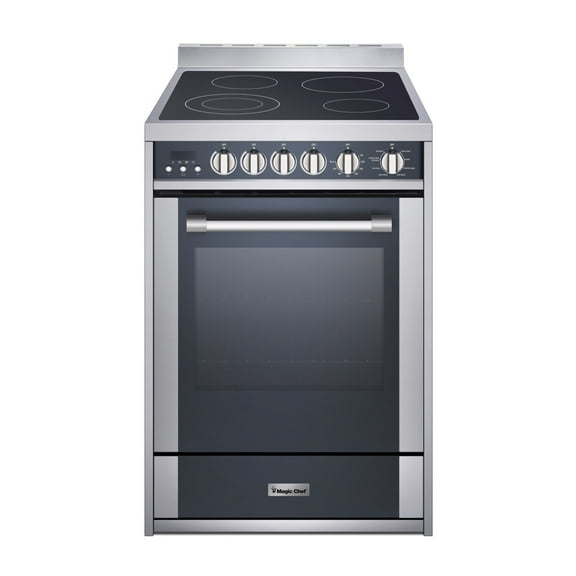
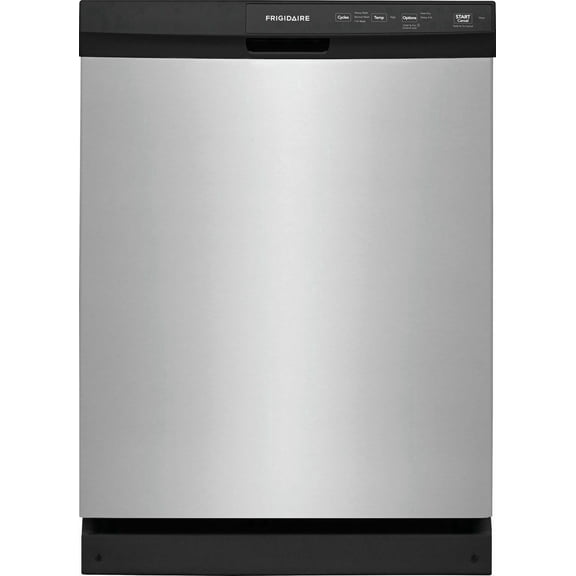
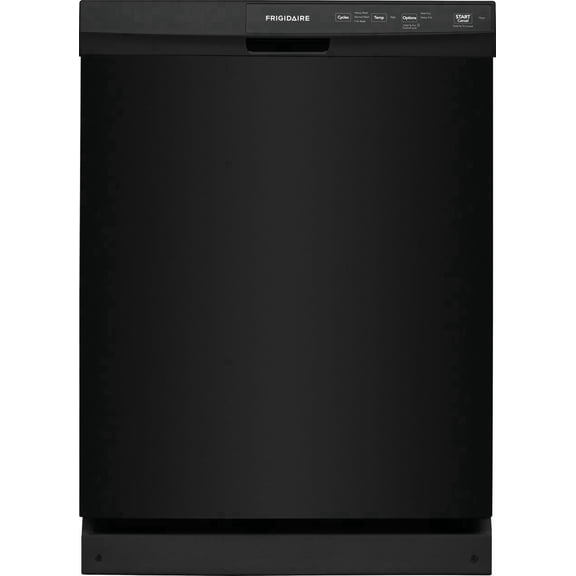
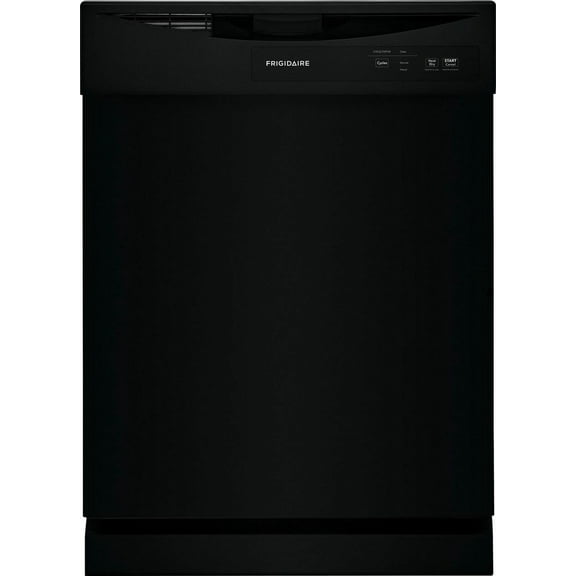
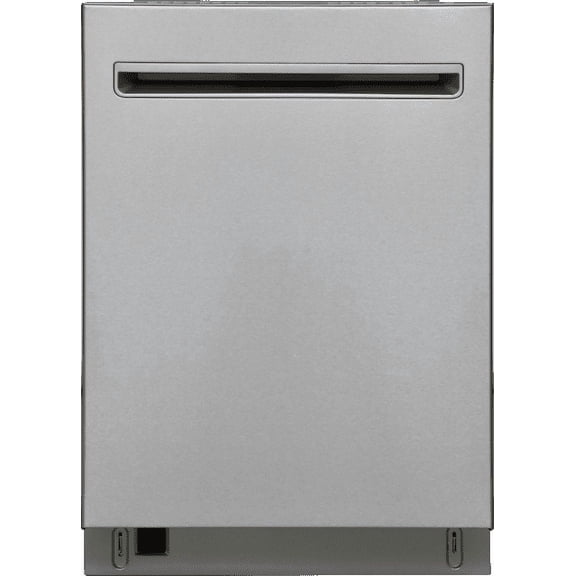
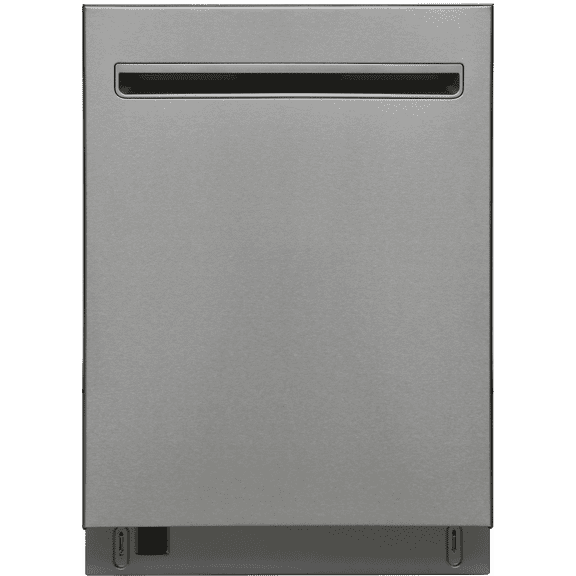
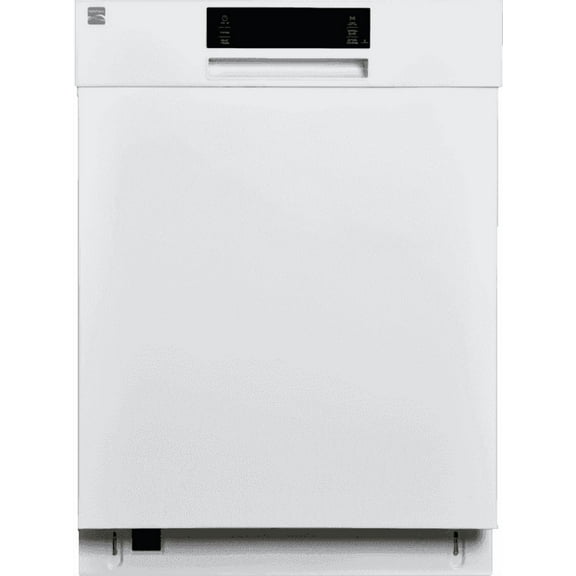
When you plan cooking upgrades, you can compare ranges, wall ovens, and microwaves based on cooking style and available connections. If you need easier cleanup, you can review dishwasher tub size, rack layout, and panel style for your kitchen plan.
- You can match appliance categories to the rooms you use most every day.
- You can compare compact, standard, and large capacity options before you commit to a layout.
- You can review delivery, installation, and haul-away details while planning a full room update.
- You can choose finishes that coordinate across kitchen and laundry spaces.
Choosing power and compatibility
You should check power and fuel requirements before you select home appliances for a remodel or replacement. You can avoid fitment surprises when you confirm outlet type, gas access, and ventilation needs early.
For electric models, you may need to compare 110V and 220V connections because large appliances often require higher-voltage outlets. For gas models, you should confirm the gas line location and the installation setup your space supports.
If you want flexible cooking, you can consider dual fuel ranges that pair a gas cooktop with an electric oven. You can also check clearance space and ventilation requirements, especially around built-in cooking appliances and over-the-range microwaves.
When you replace an older unit, you should measure cutout width, depth, and door clearance before you choose a model family. You can use those numbers to filter options that fit your cabinet opening and traffic flow.
What to look for in size, capacity, and finish
You can compare size and capacity based on household routines, grocery habits, and available floor space. You should measure hallways, entry doors, and installation areas so delivery day feels straightforward.
Compact appliances can help you furnish apartments, small kitchens, break rooms, or laundry closets with less unused space. Standard sizes can suit common layouts, while large capacity options can handle bigger loads and bulk storage.
For countertops, you may want microwaves that fit your available surface without crowding prep zones. For built-in spaces, you should check opening dimensions and rear clearance so cords, hoses, and airflow have room.
You can also compare finishes like stainless steel, black stainless, white, and panel ready designs for a coordinated look. If you want a blended kitchen, you may prefer panel ready fronts that align with surrounding cabinetry.
Understanding smart features and efficiency
You can compare smart features by deciding how much remote access and status visibility matter in your routine. You may like Wi-Fi enabled controls, touch screens, and smart diagnostics when you want connected convenience.
With Wi-Fi enabled features, you can monitor cycles, settings, or alerts from a compatible device. With smart diagnostics, you can review maintenance information that helps you understand what your appliance is reporting.
You should also compare energy labels because efficiency ratings can help you estimate long-term utility use in plain terms. If you see an Energy Star label, you can understand it as a sign the appliance meets recognized efficiency guidelines.
For daily use, you may weigh connected controls against simpler interfaces that anyone in your home can use quickly. You can choose the feature set that fits your routine instead of paying attention to extras you won’t use.
Where to buy appliances with delivery support
You can use a home appliance store page to compare products, room needs, and service options in one shopping session. If you search where to buy appliances or what stores sell appliances, you likely want delivery timing and setup details.
You can review delivery options for large items that need scheduled arrival windows and room-of-choice placement. You may also look for professional installation details when a washer, dryer, dishwasher, or range needs a proper hookup.
When you replace an older machine, you can check whether haul-away is available with your order. You can also plan ahead for access paths, stair clearance, and connection points before installation day.
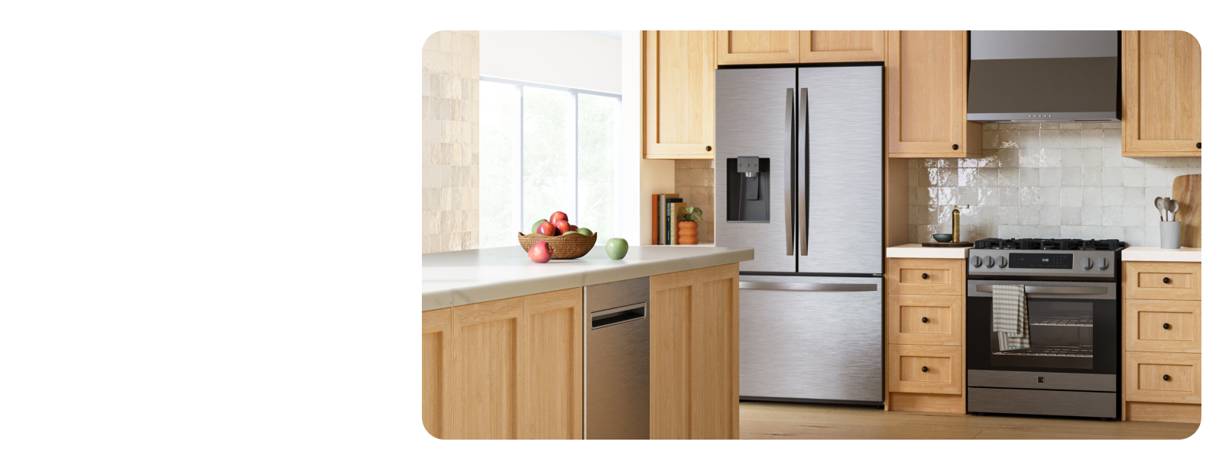
If you need a household appliances list for a move or remodel, you can map categories by room and by service needs. You can pair refrigerators, ranges, and dishwashers for the kitchen, then add washers and dryers for the laundry area.
You can shop home appliances with more confidence when you compare dimensions, power, finish, and service details together. That approach helps your new setup fit your space, your hookups, and your daily routine from day one.